


Island Of
ZANZIBAR
WELCOME TO ZANZIBAR
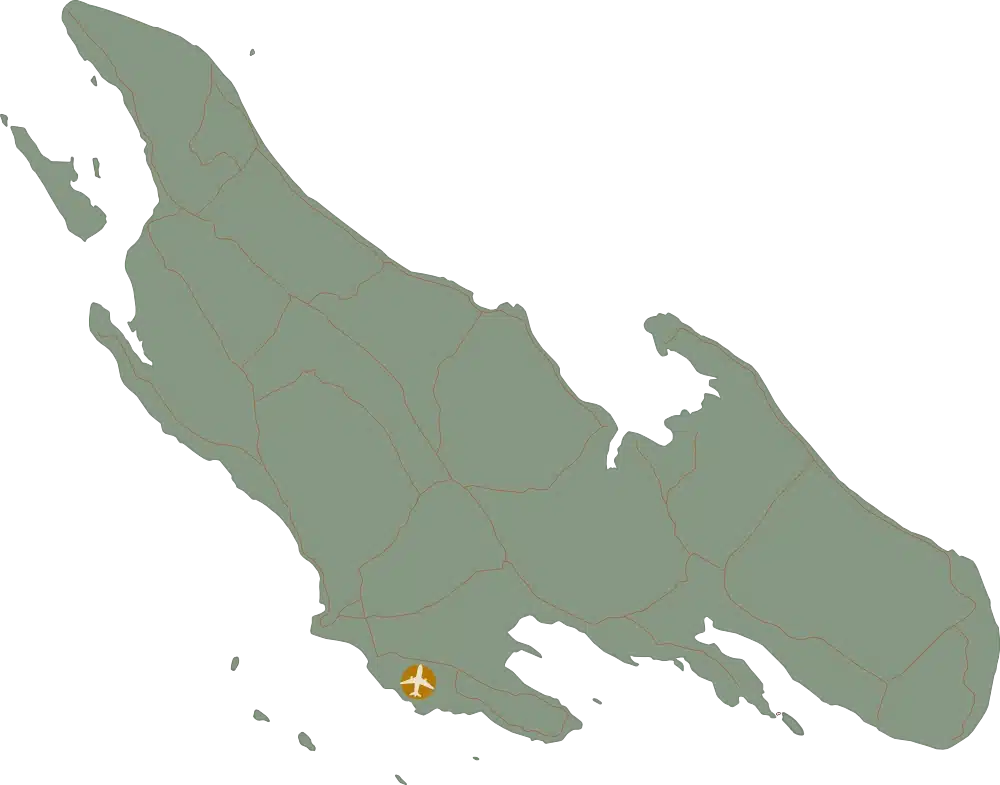
The Zanzibar Archipelago comprises several islands off Tanzania’s coast in the Indian Ocean, with Unguja (commonly called “Zanzibar”) and Pemba Island being the largest. Unguja about 85 kilometres long and 30 kilometres wide serves as the main tourism destination, offering historic Stone Town, pristine beaches, coral reefs, spice plantations, and rich Swahili culture.
Zanzibar’s history created its unique character: centuries of trade with Arabia, Persia, India, and Europe produced distinctive Swahili coastal culture blending African, Arab, Indian, and European influences. The islands were major trading centres for spices, ivory, and sadly, slaves history preserved in Stone Town’s architecture, museums, and cultural sites.
Best Time to Visit
June–October and January–February (dry seasons with calm seas for diving/snorkelling); avoid March–May (long rains) and November (short rains); December is popular holiday season with higher prices.
Key attractions: Stone Town UNESCO site, spice plantations, Prison Island, Jozani Forest (Red Colobus monkeys), beaches (Nungwi, Kendwa, Paje, Jambiani), diving/snorkelling sites, Forodhani Night Market, Sultan’s Palace Museum, slave trade historical sites.
Marine life: Dolphins (seasonal around Kizimkazi), sea turtles, coral reef fish, occasional whale sharks (October–March), octopus, reef sharks, colourful coral formations.
Fascinating facts:
- Zanzibar supplied approximately 80% of the world’s cloves in the 19th century
- Freddie Mercury (Queen frontman) was born in Stone Town in 1946
- The archipelago’s semi-autonomous status within Tanzania means separate immigration despite being part of the country
Cultural considerations: Zanzibar is predominantly Muslim visitors should dress modestly outside beach resorts (covering shoulders and knees), avoid public affection, respect prayer times, and ask permission before photographing people.
Zanzibar’s history created its unique character: centuries of trade with Arabia, Persia, India, and Europe produced distinctive Swahili coastal culture blending African, Arab, Indian, and European influences. The islands were major trading centers for spices, ivory, and sadly, slaveshistory preserved in Stone Town’s architecture, museums, and cultural sites.