


Lake
MANYARA
LAKE MANYARA
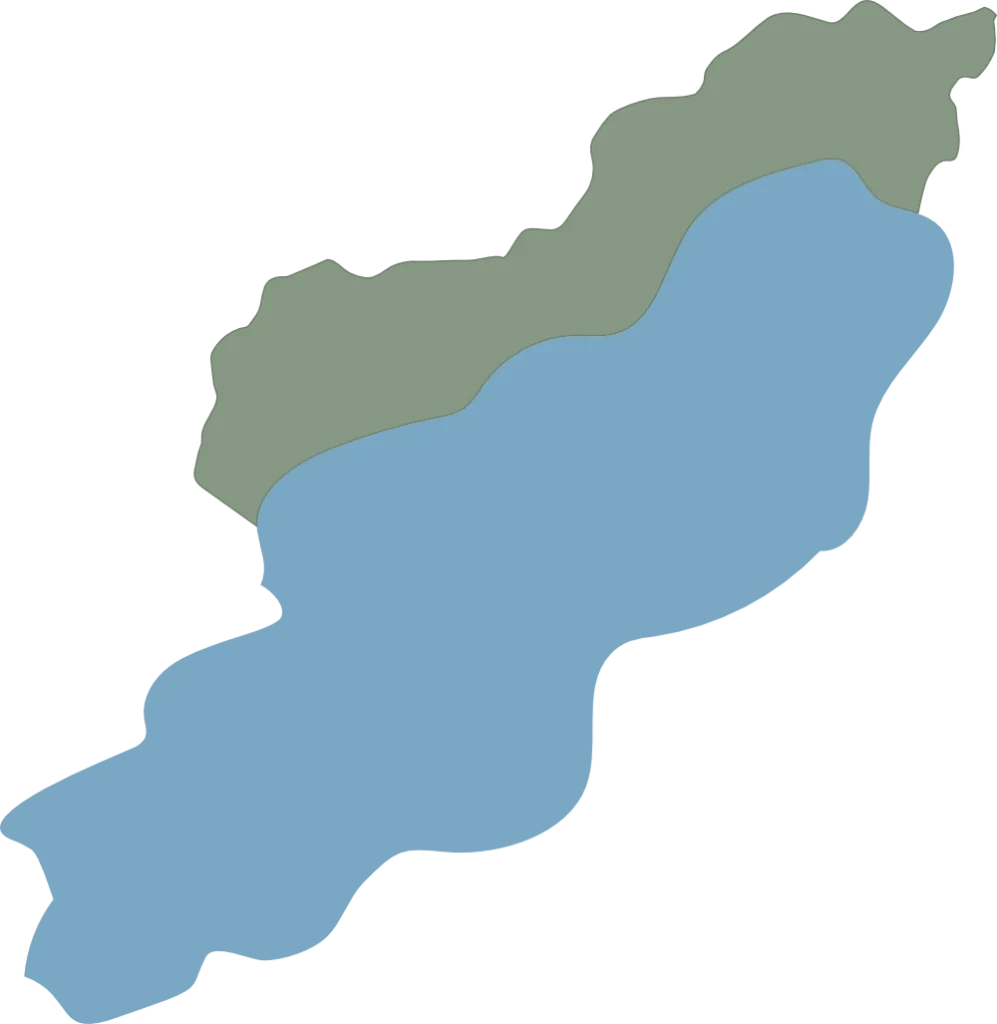
Lake Manyara National Park is a compact 330 square kilometre park dominated by the shallow alkaline lake that gives it its name—covering two-thirds of the park during wet season. Despite its relatively small size, Manyara offers remarkable ecological diversity: groundwater forest, acacia woodland, grassy floodplains, rocky escarpments, and the alkaline lake itself, creating habitat variety that supports 380+ bird species and diverse mammals
Best Time to Visit
Year-round accessible; November–April brings flamingo flocks when lake levels are optimal; June–October offers clearer viewing though lake may shrink considerably.
Key wildlife: Tree-climbing lions (specialty but not guaranteed), elephants, buffalo, giraffes, zebras, wildebeest, hippos, baboons, blue monkeys, flamingos (seasonal), 380+ bird species including diverse waterbirds.
Unique experiences: Tree-climbing lion observation (requires patience), flamingo photography when flocks present, groundwater forest walks, canopy walkway in forest zone, hippo pool viewing areas.
Fascinating facts:
- Lake Manyara’s alkaline waters create hostile conditions for most fish but ideal for algae that feeds flamingo populations
- Ernest Hemingway described Manyara as “the loveliest lake in Africa”
- The park’s elephants are known for some of Tanzania’s largest tusks due to good habitat conditions
Photography opportunities: Tree-climbing lions in acacia branches, flamingo flocks creating pink shorelines, forest scenes with shafts of light through canopy, Rift Valley escarpment backgrounds, hippo pools with lotus flowers.